What actually happens at a Scale & Clean? A Te Awamutu dentist explains
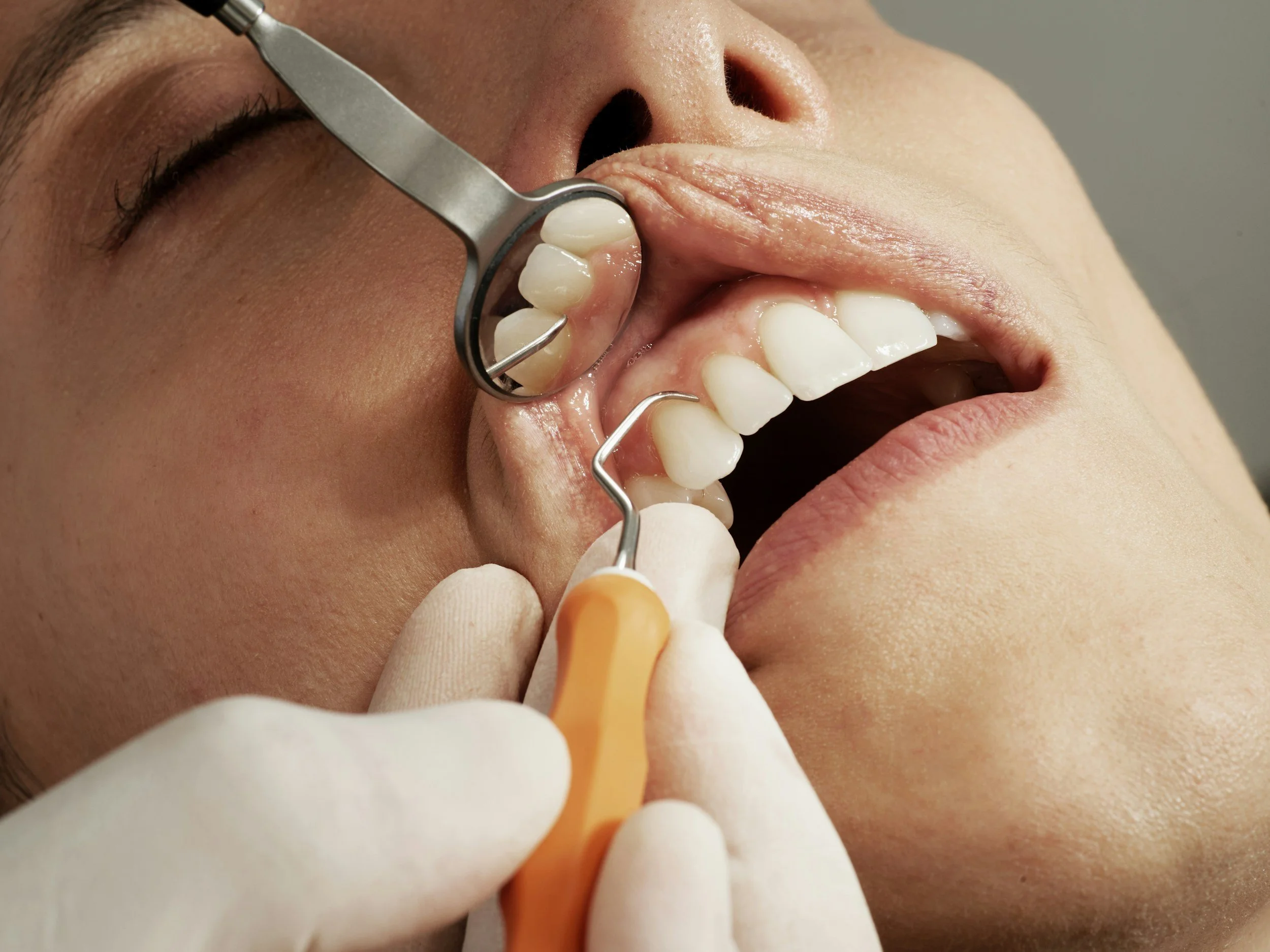
A scale and clean is professional clean of your teeth and gums, done by a dental hygienist or dentist
If you've been putting off a scale and clean because you're not quite sure what happens once you're in the chair, you're not alone. It's one of the most common appointments we do at Dental on Mahoe, and one of the most misunderstood. So here's exactly what to expect.
First, what is a "scale and clean"?
A scale and clean (sometimes just called a "clean" or a "hygiene appointment") is a professional clean of your teeth and gums, done by a dental hygienist or dentist. It removes plaque and tartar (hardened plaque) that a toothbrush and floss can't shift on their own — especially around the gumline and between teeth.
It's not the same as your regular check-up, although the two are often booked together. A check-up looks for problems. A clean addresses the everyday build-up that happens no matter how well you brush.
Step by step: what happens during the appointment
A quick chat and visual check. Your hygienist will usually ask how things have been feeling — any sensitivity, bleeding gums, or areas you're concerned about — before they start. This isn't a test. It's so they know where to focus.
Scaling — removing the build-up. Using a small ultrasonic tool (it vibrates gently and rinses with water) and hand instruments, they'll remove plaque and tartar from the surface of your teeth and along the gumline. You might feel some vibration or pressure, but it shouldn't be painful. If you're anxious about sensitivity, it's worth mentioning before you start — we have gentler options, like warm-water EMS Airflow, for people with sensitive teeth.
Polishing. Once the build-up is removed, your teeth are polished with a gritty paste that smooths the surface and lifts surface staining from things like tea, coffee, or red wine. This is the part most people actually enjoy — it's quick and leaves your teeth feeling noticeably smoother.
Flossing and a final rinse. Your hygienist flosses between every tooth, checking for any tight or bleeding spots, then finishes with a rinse.
A few honest tips. Rather than a lecture, you'll usually get a couple of specific, practical pointers — maybe a spot you're missing when you brush, or whether an interdental brush would help a particular gap. No pressure, no upselling — just what's actually useful for you.
Start to finish, most scale and cleans take around 30–45 minutes.
Does it hurt?
For most people, no — some mild pressure or vibration at most. If you have sensitive teeth or gums that bleed easily (often a sign it's been a while between cleans, which is completely normal and nothing to feel awkward about), let your hygienist know. There are gentler techniques we can use, and it gets more comfortable the more regularly you come in.
How often should you get one?
Every six months is the general guideline, though some people benefit from more frequent cleans depending on their gum health. If it's been longer than that for you — a year, two years, or you genuinely can't remember — that's a very normal place to start from. No matter how long it's been, we're just glad you're here.
Why bother, if your teeth feel fine?
Plaque and tartar build up below the gumline where you can't see or feel them, and left alone, they're the main cause of gum disease — which is often painless until it's more advanced. A regular clean is one of the simplest, lowest-cost ways to protect your teeth and gums long-term, and to catch small issues before they become bigger (and more expensive) ones.

Kerryn, our hygienist at Dental on Mahoe
Ready to book?
If it's been a while, our New Patient Exam is $115 (normally $230) and includes a full jaw scan, X-rays, an exam, and a personalised plan — a good, low-pressure way to get back into the rhythm of regular care.